
Millions of people use Freelancer to turn their ideas into reality.
Trusted by leading brands and startups


Post your project for free and connect with skilled freelancers ready to start today. Compare bids, ratings and portfolios, and only pay when you're happy with the work.
~140 sec
to first bid
59+
bids per project
6k+
freelancers online
No upfront cost · pay only when you're happy with the work
A Polkadot expert is a blockchain developer or consultant who builds, audits, and deploys decentralized applications, parachains, and custom runtimes on the Polkadot network using the Substrate framework. Hiring a Polkadot specialist gives your project access to multi-chain interoperability, shared security, and the cross-consensus messaging architecture that distinguishes Polkadot from monolithic blockchains.
Polkadot developers design, code, and maintain the components that run on or connect to the Polkadot relay chain and its ecosystem. Their work spans low-level runtime engineering in Rust through to user-facing dApp interfaces and validator infrastructure. The right Polkadot consultant translates business requirements into a parachain, parathread, or smart contract architecture that fits the network's economic and technical constraints.
Commercially, Polkadot expertise matters because the network's interoperability model lets projects share security with the relay chain instead of bootstrapping validator sets from scratch. A skilled Polkadot engineer can shorten time-to-mainnet, reduce audit risk, and ensure your chain integrates cleanly with cross-chain messaging via XCM.
Engagements with a Polkadot freelancer typically cover one or more of the following:
A competent Polkadot engineer should be fluent with the standard ecosystem stack:
Polkadot specialists are hired across DeFi, gaming and NFTs, identity and credentialing, supply chain tracking, real-world asset tokenization, and enterprise consortium chains. DeFi teams use Polkadot for cross-chain liquidity routing and shared security. Gaming and metaverse projects favor app-specific parachains for predictable block space. Enterprises building permissioned ledgers use Substrate as a modular framework to ship private chains without rewriting consensus from scratch.
Strong candidates show clear evidence of shipped work in the Substrate ecosystem. Look for production pallets, deployed parachains, contributions to Polkadot SDK or related repositories, and familiarity with the network's governance and economic mechanics. Rust proficiency is non-negotiable for runtime work, while ink! or Solidity competence matters for smart contract roles.
Useful portfolio markers include public GitHub commits to Substrate-based projects, audit reports they contributed to, testnet deployments on Rococo or Westend, and any Web3 Foundation grant work. Ask for a code sample that demonstrates pallet design, weight benchmarking, and unit tests.
Sample interview questions you can use directly:
Freelancer.com gives you access to a global pool of blockchain engineers, including specialists with deep Substrate, Rust, and parachain experience. You can compare profiles, portfolios, ratings, and verified reviews side by side, then engage candidates whose past work matches your stack. Because clients set their own budgets and receive competitive bids, you control scope and cost while still reaching qualified Polkadot consultants. Milestone Payments hold funds securely until deliverables are approved, which is particularly valuable for technical work like runtime development and smart contract audits where verification matters. Whether you need a short audit or a multi-month parachain build, freelancers on Freelancer.com cover the full spectrum of Polkadot work.
Hiring a Polkadot engineer works best when you treat the brief as a technical specification rather than a wish list. The clearer you are about whether you need runtime work, smart contracts, or infrastructure, the faster you will receive bids from candidates whose skills genuinely match. The three steps below cover the full process from posting the project to awarding the work.
The project post is the single biggest determinant of bid quality. A precise brief filters out generalists and attracts Polkadot specialists whose Substrate, Rust, or ink! experience fits your scope. Head to the
Bids are short proposals, not just price quotes. A strong Polkadot bid shows the freelancer has read the brief, understands the technical constraints, and has a realistic plan. Read each proposal carefully and shortlist candidates whose interpretation of the work aligns with your specification.
The final decision combines proposal quality with profile evidence. Weigh consistency across past Polkadot and Substrate work rather than one standout example, and confirm the candidate has shipped, not just experimented.
A Solidity developer writes smart contracts for EVM-based chains, while a Polkadot developer typically works at the runtime level using Rust and the Substrate framework, or writes ink! contracts for WebAssembly. Polkadot engineers can also work in Solidity when building on EVM-compatible parachains like Moonbeam, but their core skill set is broader and lower-level.
Most projects do not need a dedicated parachain. Deploying smart contracts on Moonbeam, Astar, or Acala is faster, cheaper, and avoids the slot auction process. A Polkadot consultant can review your requirements and recommend the right deployment model based on throughput, sovereignty, and governance needs.
A smart contract or dApp integration may take a few weeks, while a custom pallet or parachain runtime can run several months including testing, audits, and testnet rehearsals. Timeline depends on the complexity of the runtime logic, governance design, and whether the chain needs to integrate XCM with other networks.
Yes. Many Polkadot specialists take on short engagements such as pallet code reviews, ink! contract audits, or runtime security assessments. You can scope the brief to a fixed deliverable like a written audit report with severity ratings and remediation guidance.
For focused tasks such as pallet development, contract audits, or dApp integration, an experienced freelancer is usually the more efficient choice. Larger initiatives that combine runtime engineering, front-end work, DevOps, and tokenomics may benefit from assembling a small team of specialists, which you can also do on Freelancer.com.

Freelancer Enterprise
Use our workforce of 90.3 million to help your business achieve more.

Freelancer API
Why hire people when you can simply integrate our talented cloud workforce instead?




Post a project today and get bids from talented freelancers
Get some inspiration from Polkadot projects

Game.
$50 USD in 9 days.

Package Design.
$110 USD in 4 days.

Music Video.
$300 USD in 12 days.

Interior Design.
$269 USD in 14 days.

Poster.
$100 USD in 3 days.

Flyer Design.
$15 USD in 1 day.
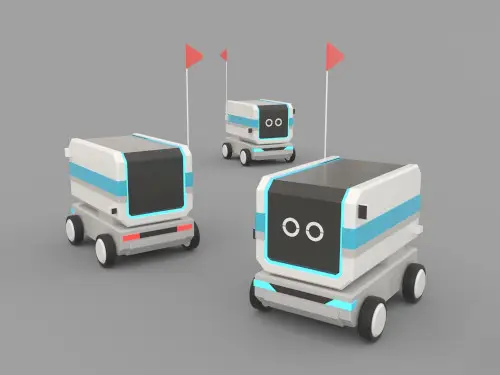
Concept Design.
$100 USD in 10 days.
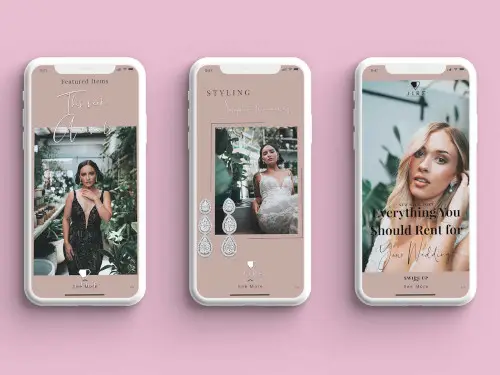
Socials Post.
$50 USD in 6 days.


Millions of users, from small businesses to large enterprises, entrepreneurs to startups, use Freelancer to turn their ideas into reality.
90.3M
90.3M
Registered Users
25.9M
25.9M
Total Jobs Posted
Freelancer
About
Terms
Partners
Apps